Why HoldOn
The most popular non-violent movement in United States history was the 1960’s fight for Civil Rights. The protests have become a common memory but the other efforts that sustained the resistance seem to be lost to history. Not everyone can march but everyone has a place in the struggle for power and recognition. I started this show for my friends who worry they aren’t doing enough to combat an increasingly authoritarian world, those who see a protest and wonder “what’s next?,” and those who for physical reasons can’t attend a march. For those who have lost hope, who feel isolated, exhausted, burned out, this podcast reminds you that you are doing enough. Overall hold on is a podcast for exhausted organizers ready to heal, stay in the fight, and reclaim their joy.
The Host

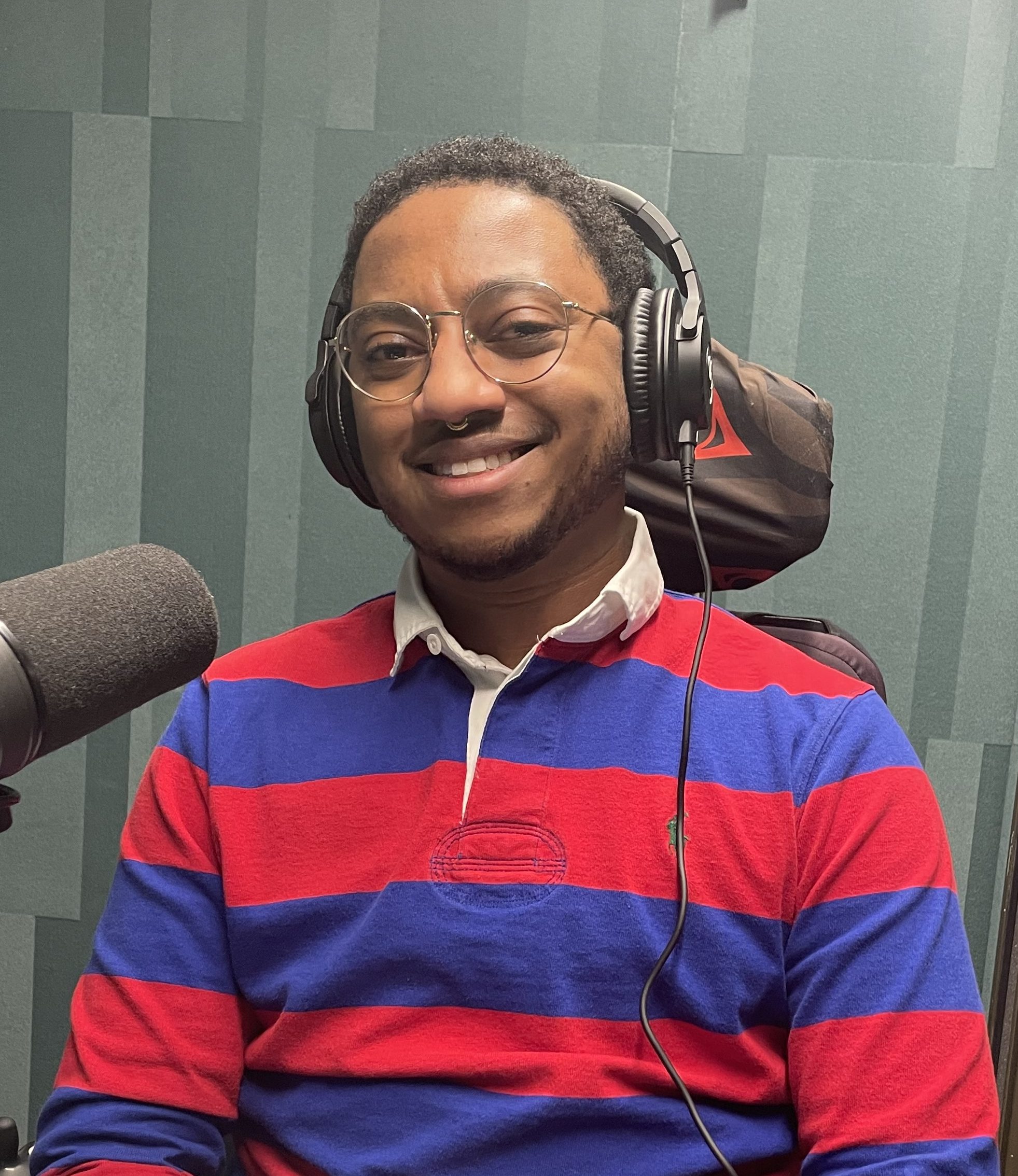
Lee D
Lee D is a talk show host, interviewer, and oral historian dedicated to helping marginalized people find and share their voice. A transman and wheelchair user, Lee harnesses the power of narrative to bolster the fight for disability and trans rights. Through Hold On, he amplifies stories of resistance and resilience from those on the frontlines of social change.
An activist and educator, acquiring a disability in his 30s led him to explore the full spectrum of nonviolent resistance; in order to stay involved. Each episode dives deep into one of Gene Sharp’s 198 methods, then talks to someone who’s actively using it. I hope to spark new tactics, validate existing efforts, and remind burned out organizers that every form of resistance matters.

